Cybersecurity is no longer optional, and it is not limited to large corporations or technology companies. Today, any organization that uses computers, the internet, cloud systems, or digital data requires cybersecurity. Whether you’re a small business or a healthcare provider, poor security can result in data breaches, financial devastation, legal issues and loss of reputation.
Cybersecurity for Local Businesses in Virginia
Cyber threats affect businesses across Virginia, including small businesses, healthcare practices, and professional service firms. Local organizations face risks such as ransomware, phishing attacks, and data breaches that can interrupt operations and violate compliance requirements.
Businesses in Sterling, Northern Virginia, and surrounding areas rely on cybersecurity to protect sensitive data, maintain compliance, and ensure business continuity.
Doctor IT Service helps local businesses secure their systems with proactive monitoring, compliance-focused security, and managed IT protection tailored to regional and industry-specific needs.
The question isn’t whether you need cybersecurity — it’s how much protection your business needs.
Small & Medium Businesses (SMBs)
Many small business owners believe that cybercriminals only target large corporations. Small and medium companies are indeed the most frequent target because they usually don’t have robust security systems.
Cybercriminals know that SMBs :
- Often rely on outdated or basic security measures
- Have limited IT staff
- Aren’t as ready for ransomware, phishing attacks
If your company uses email, accounting software, customer databases or online payments in its day to day then you require cybersecurity to safeguard operations and sensitive information.
Healthcare Providers & Medical Practices
Healthcare is among the most-targeted sectors for cybercriminals. Hospitals, dental offices, clinics and private practices all house the type of sensitive patient information that has a high value on the black market.
Healthcare organizations need cybersecurity to:
- Safeguard patient records and health information
- Stop ransomware attacks from locking up systems
- Maintain compliance with HIPAA regulations
- Don’t risk expensive fines and trouble with the law
Just one data breach can disrupt patient care and erode trust for good.
Companies Using Cloud Services
If your business uses:
Cloud storage (Google Drive, OneDrive and Dropbox)
Web applications (CRM, accounting, EMR systems)
Remote servers or virtual desktops
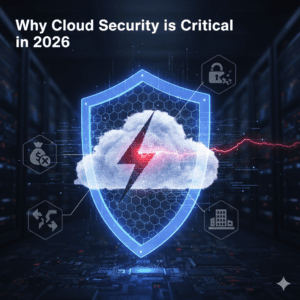
This is why businesses using cloud services face increased security risks. Unsecured cloud servers, easy-to-guess passwords and the absence of monitoring are main factors responsible for attacks.
Cloud security ensures that systems are properly configured, continuously monitored, and protected from unauthorized access.
The attack surface for businesses is now much larger because of remote work. While it’s more typical for home-based workers to utilize:
- Personal Wi-Fi networks
- Unsecured devices
- Shared computers
Without cybersecurity measures such as endpoint protection, VPNs, and access controls, remote workers become easy targets for cyberattacks.
If your team is remote even part time, cybersecurity is a piece of your business you just can’t ignore.
E-Commerce & Online Businesses
Any business that processes:
- Online payments
- Customer accounts
- Personal information
is top of the list for cybercrime.
Cybersecurity helps prevent:
Credit card data theft, Website hacking and defacement, Malware infections or Loss of customer trust.
Security, for online enterprises, has a direct correlation with revenue and brand perception.
Professional Services & Consultants
Law firms, accounting firms, consultants, and agencies handle highly sensitive client data on a daily basis. When there’s a breach, it doesn’t just affect your business it affects your clients as well.
Cybersecurity protects:
Client communications, Contracts and financial records, Intellectual property and Business credibility.
Why Cybersecurity Is Now A Business Necessity
You don’t need some rarefied technical expertise to worry about a cyber threat anymore. An attacker can make cheap and automated attempts to perpetrate damage with ploys such as phishing emails, ransomware or stealing credentials, which are also persistent.
Without cybersecurity, businesses risk including Financial loss, Downtime and operational disruption, Legal penalties and Permanent reputation damage
Cybersecurity isn’t only about technology , it’s also about business continuity and trust.
How Doctor IT Service Helps
Doctor IT Service offers cybersecurity solutions for companies who require dependable, compliant and proactive protection. From HIPAA-compliant security to managed IT and monitoring, our mission is clear: keep your systems secure so you can worry about the things that matter, like your business.
Conclusion
If you are an organization that uses technology in 2026, every organization is then you need cybersecurity. The size of your business is immaterial. The only thing that really matters is protecting your data, your clients and your future.
Frequently Asked Questions About Cybersecurity
Who needs cybersecurity the most?
Cybersecurity is a requirement of any organization that uses computers, the internet, or stores sensitive data. Small businesses, healthcare providers and any company with remote employees are particularly vulnerable.
Do small businesses need cybersecurity?
Yes. Small businesses are the organization of choice with cybercriminals due to their less sophisticated security. Cybersecurity helps safeguard small businesses from ransomware, phishing and data theft.
Why Do Healthcare Providers Need to Be Concerned About Cyber Security?
Organizations serving the healthcare industry have access to some of the most sensitive data belonging to patients which they are obligated to protect under HIPAA guidelines. Cyber security protects against data breaches, system downtime and costly compliance violations.
Is cybersecurity required by law?
In many industries, yes. Healthcare companies need to comply with HIPAA security rules, while those dealing with customer or financial data are held to privacy and data protection laws.
So what if a company doesn’t have cybersecurity?
Without cybersecurity, companies face the risk of data loss and financial harm as well as operational interruptions, legal ramifications, and a damaged reputation among consumers.
What can a local Cybersecurity services do for you?
A local cybersecurity provider understands regional business requirements, compliance demands, and can respond more quickly to security incidents. Effective cybersecurity begins with local understanding, and a local provider can offer tailored protection rather than generic security solutions.